


How to Apply a Sticky Carpet Protector Without Damaging Fibres
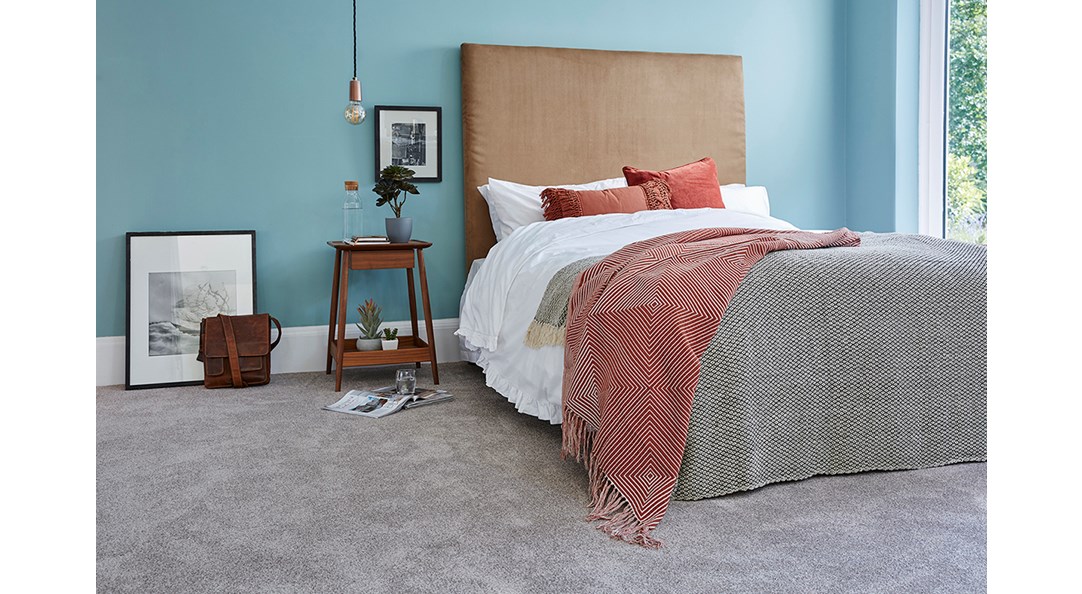
This floor protection is great if you want to keep your carpets looking their best, especially in areas of your home where there’s a lot of foot traffic.
It effectively keeps dirt and damage at bay and also extends the lifespan of your precious floor coverings, which is particularly useful in high-traffic areas.
However, finding just the right protector and then installing it correctly is really important because that’s how you’ll avoid damaging the fibres. Here’s all you need to know about it, so your carpets always look good and stay protected.
Choose the Right Protector
The proper choice here is what’s going to ensure your carpet looks its best. You’ll want to get a protector with just the right amount of stickiness—not so strong that it damages the fibres, but not so weak that it shifts around. It should hold tight while treating your carpet gently.
First, consider the type of carpet you’ve got. If it’s a plush wool rug in the living room, a light-touch protector works a treat. Wool carpets, known for their softness and luxury, need a gentle protector to prevent fibre pulling.
On the other hand, synthetic carpets can handle a bit more grip, but do make sure it stays put. For really delicate materials like silk, opt for a protector with just a hint of grip to keep things on the safe side.
You might want to try brands like Carpet Shield and Surface Guard—they stick nicely without any drama. Tesa, on the other hand, is ideal for fragile carpets due to its soft touch.
How to Prepare the Carpet
Before you can put on the carpet protector, you need to prepare the carpet.
First, give it a good vacuum to remove any dust or crumbs that might prevent the protector from sticking properly. This helps it stick better and stops dirt from getting trapped underneath, which is something you definitely don’t want.
Then, check the carpet for any loose threads or tiny flaws. If you spot any, just snip them off with some sharp scissors. Doing this ensures the protector goes on smoothly and works well.
Measure and Cut
Next, give the area a good measure, noting every nook and cranny. Imagine your hallway stretches 6ft—measure it twice to dodge any surprises later. This way, you’ll get a perfect fit with no awkward gaps or any bits flapping about.
Roll out the protector on a flat surface–your dining table or even the kitchen floor works like a charm. Use a pencil or a bit of chalk to mark where you need to cut. Take your time to do it properly.
When it’s time to cut, make sure you use scissors that are sharp, or simply go for a utility knife.
A clean cut is the goal here, as a sharp blade can reduce fraying by up to 30%. Jagged edges are nothing but trouble—they can lift the protector, mess with the stickiness, or affect how your carpet looks.
So, taking a little time to measure and cut carefully is simply a must.
Safe Application
To get that sticky carpet protector on smoothly without bubbles, begin by peeling back a small section of the backing.
Press it onto the carpet, working from one side to the other to avoid air pockets. Gradually peel the backing while smoothing it down. For larger areas, use a ruler or flat tool to push out the air.
Take your time, because that’s how you’ll achieve the best results.
How to Remove the Sticky Protector
When you’re peeling off that sticky carpet protector, take your time and be gentle. Start by lifting a corner—give it a quick look to see if any edges are already lifting.
Avoid the temptation to yank it off, as it could damage the carpet fibres–a steady, even pull is your best bet to maintain everything in good nick. Rushing can also stretch or even tear the carpet, so be careful.
If it’s being stubbornly sticky, pause for a moment. You might want to try a gentle warm breath or a hair-dryer on low to soften the adhesive a bit. Just don’t turn it into a tug-of-war because you’ll end up with a mess.
Hold the carpet down with your other hand while you pull to keep it snug. You want to avoid using sharp tools because they can do more harm than good. Do it until you’re ready, and you’ll see your patience pays off.
Maintenance & Care
A bit of regular TLC goes a long way, so here’s how you can keep the protector in tip-top condition.
Regular Cleaning
Give your carpet protector a quick clean now and then. A handheld vacuum is perfect for picking up dust and crumbs, while a soft brush gently clears away dirt.
Avoid harsh chemicals or steam cleaners, as they can ruin the protector’s stickiness. Instead, mix a little dish soap with warm water for a gentle clean that keeps it fresh without too much fuss.
Regular Inspection
Check your protector every so often to ensure it’s still sticking well. Particularly, watch out for any peeling or loose spots. If the edges start to lift when you run your fingernail over them, just press them back down with a flat object, like a ruler.
Catching and fixing these little issues as they come up will ensure your protector keeps your carpets looking great and lasting longer.
Conclusion
Using a sticky carpet protector is an easy and convenient way to protect your precious carpets. Follow these tips, and you’ll ensure just that.
Don’t forget to give it a little TLC from time to time, to ensure it keeps working well. That’s it! Enjoy having tidy and clean floors, making your whole home look amazing in the process.


